
AuctionsPlus Guides - First Time Sellar Guide

What to Expect at a Livestock Auction: A Guide for First-Time Buyers

If you’re new to the world of livestock auctions, it’s natural to feel a mix of excitement and uncertainty. Attending a livestock auction for the first time is a unique experience full of energy, opportunities, and lots of bidding! At Divine Connections, our goal is to create an environment where buyers and sellers can come together seamlessly, making the process enjoyable and transparent, especially for those who are new to the auction scene.

In this guide, we’ll walk you through everything you need to know before attending a livestock auction, from understanding the process to helpful tips on making your first purchase. Whether you’re looking to add to your existing herd or begin a new venture, this guide will help you feel prepared and confident for your first livestock auction.

Why Livestock Auctions Are Important

Livestock auctions are more than just a way to buy and sell animals—they are crucial events in the agricultural community. These gatherings allow buyers and sellers to assess the market, build relationships, and gain access to high-quality livestock that may not be available otherwise. Attending an auction also means having the chance to see the animals in person, allowing you to evaluate their health, breed standards, and suitability for your operation.

By attending a livestock auction, you’ll not only find a diverse selection of animals but also gain invaluable insight into the trends and prices in the livestock industry.

What to Expect at a Livestock Auction

A livestock auction is a busy, fast-paced environment. Knowing what to expect can help you make the most of the experience. Here’s an overview of the typical flow of events at a livestock auction.

1. Registration and Bidding Number
  • When you arrive, you’ll need to register and get a bidding number. This number identifies you throughout the auction, allowing you to place bids on animals. Registration is straightforward, but make sure to bring a valid form of ID and any paperwork the auction house might require.
  • Some auctions may also require a refundable deposit to ensure that all registered bidders are serious about purchasing.
2. Viewing the Livestock
  • One of the most important aspects of attending a livestock auction is the preview period, often referred to as the “viewing” or “inspection” phase. This is when buyers have the opportunity to inspect the animals up for auction.
  • Take this time to closely observe the livestock. Look for signs of health, physical characteristics, and the condition of each animal. If you’re not sure what to look for, try consulting with a more experienced buyer or doing research beforehand on the breed or type of livestock you’re interested in purchasing.
3. Understanding the Auctioneer’s Terminology
  • The auctioneer’s pace can be fast, and their terminology may be unfamiliar if it’s your first time. Common terms include:
    • Lot Number: A number assigned to a group or individual animal up for auction.
    • Opening Bid: The initial price for bidding on an animal.
    • Increment: The amount by which the bid increases each time someone places a higher bid.
  • Don’t worry if it takes a moment to get used to the pace; most new buyers find their rhythm after a few rounds.
4. The Bidding Process
  • Once you’re familiar with the bidding terminology, you’re ready to participate! Hold up your bidding number or give a clear signal to the auctioneer if you’re interested in placing a bid.
  • Bidding can be competitive, so it’s wise to set a maximum budget before you start. This way, you won’t get caught up in the excitement and bid more than you planned.
5. Payment and Collection
  • If you win a bid, you’ll proceed to the payment section, where you’ll finalize the purchase. Payment options may vary, so check with the auction house to see if they accept cash, checks, or credit.
  • After payment, you’ll receive documentation and instructions on when and where to collect your livestock. Ensure you have appropriate transportation and housing arranged for your new animals.

Tips for First-Time Livestock Auction Buyers

To help you navigate your first livestock auction with confidence, here are some helpful tips to keep in mind:

1. Do Your Research
  • Research the type of livestock you’re interested in beforehand, including breeds, prices, and the specific qualities you’re looking for in an animal. Having this knowledge will help you make informed bids and avoid overpaying.
2. Arrive Early
  • Arriving early allows you to register smoothly, explore the facilities, and take your time during the viewing period. It’s also a good opportunity to observe the atmosphere and get comfortable with the environment before the bidding begins.
3. Set a Budget and Stick to It
  • It’s easy to get caught up in the competitive nature of bidding, especially if you’ve got your eye on a particular animal. Setting a maximum budget beforehand will help you avoid overspending. Remember, there will be other auctions and other opportunities if you miss out on a specific lot.
4. Network with Other Attendees
  • Livestock auctions are not only a place to buy and sell but also a great place to network. Use the event as a chance to connect with other farmers, breeders, and industry professionals. You never know when a casual conversation might lead to a valuable business relationship.
5. Observe Before You Bid
  • If you’re feeling uncertain, spend a few rounds observing the bidding process before you join in. Watching experienced buyers can help you learn the ins and outs of bidding and give you confidence for when it’s your turn to place a bid.

Why Choose Divine Connections Livestock Auctions?

At Divine Connections, we take pride in organizing high-quality livestock auctions that bring together experienced breeders, buyers, and newcomers alike. Our auctions are designed to provide a welcoming and transparent environment where buyers can feel confident in their purchases and where the quality of livestock is consistently top-notch.

For first-time buyers, we offer guidance and support to make the experience smooth and enjoyable. Our staff is knowledgeable and approachable, so don’t hesitate to ask questions or seek advice if you need help navigating the auction process.

We also ensure that our livestock auctions are well-organized, with clear guidelines, efficient payment options, and timely livestock collection arrangements. At Divine Connections, we’re committed to helping you make informed decisions and find the perfect additions to your herd.

Final Thoughts

Attending your first livestock auction can feel daunting, but with the right preparation and mindset, it can be a rewarding experience that helps you grow your agricultural ventures. By understanding the auction process, doing your research, setting a budget, and networking with other attendees, you’ll be well-equipped to make the most of your first livestock auction.

Whether you’re looking for quality breeding stock, a specific breed, or just hoping to learn more about the market, Divine Connections is here to support you every step of the way. Our auctions are a valuable resource for both seasoned farmers and newcomers, providing a wide variety of livestock and a warm, community-oriented environment.

Ready to attend your first livestock auction? Reach out to Divine Connections today to learn more about our upcoming events and get started on your journey as a confident and successful livestock buyer. We look forward to welcoming you to the world of livestock auctions!

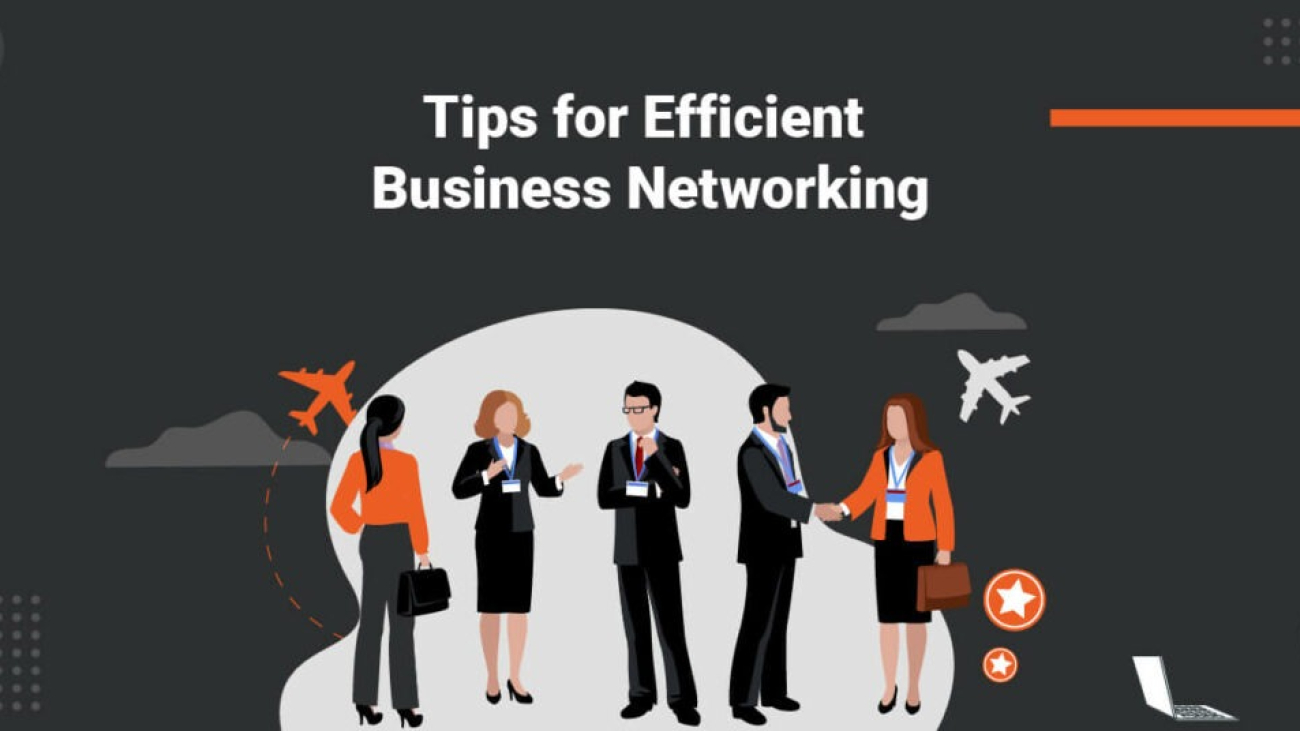
Tips-for-efficient-business-networking-1024x536-1

5 Tips for Making the Most of Business Networking Events

Networking events are some of the most powerful opportunities available for business growth, collaboration, and career advancement. At Divine Connections, we specialize in high-class networking events that help professionals make meaningful and lasting connections. But attending an event is only the first step—the real value lies in how you navigate these interactions, build relationships, and maximize every moment.

In this post, we’ll share our top five tips to help you make the most of any business networking event. By following these strategies, you’ll be better prepared to connect with like-minded professionals and leave a lasting impression that could open doors to new opportunities.

1. Set Clear Goals for the Event

The best way to get the most out of any networking event is to go in with a plan. Before you arrive, set clear goals for what you want to achieve. Are you looking to make new connections in a particular industry? Do you want to connect with potential clients, collaborators, or mentors? Knowing your objectives can help you stay focused and intentional with your time.

Consider these questions when setting your goals:

  • What types of connections are you looking to make?
  • Are there any specific people or companies you want to connect with?
  • What do you hope to learn from others at the event?

Having clear goals helps you avoid aimless mingling and ensures that every conversation you have is purposeful. Setting objectives in advance will make it easier to track your success after the event, helping you understand which networking strategies worked best for you.

2. Prepare Your Elevator Pitch

In a networking event, first impressions are everything. You have a short window to introduce yourself in a way that captures attention and leaves a lasting impression. An elevator pitch is a concise summary of who you are, what you do, and what makes you unique. It should ideally be no longer than 30 seconds, making it short enough to deliver during a brief conversation.

To create an effective elevator pitch:

  • Focus on what makes you different. Avoid industry jargon and speak to your unique strengths.
  • Keep it conversational, showing enthusiasm for what you do.
  • End with an open-ended question to invite engagement, like “What kind of projects are you currently working on?”

Practicing your elevator pitch ahead of time ensures that you’re prepared to confidently introduce yourself, making every interaction smooth and engaging. By delivering a well-crafted elevator pitch, you make it easier for others to remember you and understand how you could be a valuable connection.

3. Focus on Building Relationships, Not Just Collecting Contacts

One of the most common mistakes at networking events is focusing too much on the number of business cards collected rather than the quality of relationships built. Networking isn’t about quantity; it’s about quality. Building meaningful connections requires genuine interest, active listening, and patience. Rather than thinking of networking as a numbers game, see it as an opportunity to form lasting partnerships.

Here’s how to prioritize quality over quantity:

  • Engage in deep, meaningful conversations rather than rushing from person to person.
  • Show genuine interest in the other person’s story, background, and professional journey.
  • Focus on understanding their needs and challenges, and look for ways you can help or collaborate.

At Divine Connections events, we create an environment that encourages relationship-building, ensuring that participants have ample time to engage in meaningful conversations. Remember, even one strong connection can open doors that hundreds of shallow connections may never provide.

4. Follow Up with Personalized Messages

Attending a networking event is only the beginning; the real relationship-building happens after the event. A well-timed, personalized follow-up message shows that you value the connection and are interested in keeping in touch. It’s best to reach out within 24 to 48 hours of the event, while the interaction is still fresh in both your minds.

In your follow-up message:

  • Mention something specific from your conversation, such as a shared interest or a topic you discussed. This personalization shows that you were actively engaged.
  • Express gratitude for the connection and share your interest in staying in touch.
  • Suggest a way to connect again, such as a coffee meeting, a virtual chat, or an introduction to a mutual contact.

By personalizing each follow-up, you show that the connection mattered to you and make it easier for them to remember who you are. This step is often overlooked but is essential for transforming brief encounters into meaningful, ongoing relationships.

5. Stay Engaged Through Social Media

Today’s digital world makes it easier than ever to keep in touch with the people you meet at networking events. Platforms like LinkedIn, Twitter, and Instagram allow you to stay connected, engage with your network, and build your professional reputation. After the event, be sure to connect with people on LinkedIn or follow them on social media if appropriate.

When engaging on social media:

  • Comment on their posts, share relevant articles, and participate in industry discussions. Engaging consistently with their content keeps you visible and reminds them of your shared connection.
  • Share updates about your own work, achievements, or insights relevant to your industry. By contributing valuable content, you position yourself as a thought leader and keep your network engaged.
  • Celebrate their accomplishments by liking or commenting on posts about their recent achievements or milestones. This simple act of recognition can strengthen your connection.

Social media engagement is an easy yet effective way to stay connected with people you’ve met at networking events, allowing you to nurture relationships even from a distance.

Why Choose Divine Connections for Your Networking Needs?

At Divine Connections, we understand the power of professional networking, which is why we design events that foster deep, meaningful connections. Our high-class business networking events and industry-specific gatherings provide professionals across industries with a platform to meet, collaborate, and create lasting partnerships. We create an inviting and relaxed environment where connections can flourish and people can focus on forming meaningful relationships, rather than feeling pressured to rush through interactions.

By attending our events, you’ll not only have the chance to meet potential clients, partners, and mentors, but you’ll also benefit from the added touch of exclusivity and professionalism that Divine Connections offers. We believe that every connection matters, and we’re committed to helping you make the most of each one.

Final Thoughts

Networking is more than a means to an end—it’s an ongoing journey that can lead to countless opportunities for personal and professional growth. By setting clear goals, preparing your elevator pitch, focusing on quality over quantity, following up effectively, and staying engaged, you can make a powerful impact at any business networking event.

If you’re ready to elevate your networking game, consider joining a Divine Connections event, where you’ll have the chance to connect with professionals from diverse backgrounds and industries. We’re here to help you build the kind of network that propels you forward.

Want to make lasting business connections? Sign up for our next Divine Connections networking event and take the first step toward building a network that will elevate your career.

agriculture-tech

Connecting Farmers: The Importance of Agricultural Networking in the Modern Age

In the ever-evolving world of agriculture, one factor remains constant: the importance of connections. For farmers and agricultural professionals, networking is key to staying competitive, adopting innovative practices, and ensuring the sustainability of their operations. At Divine Connections, we understand that agricultural networking is more than just a buzzword—it’s a lifeline for farmers seeking growth, collaboration, and access to critical resources.

With our expertise in agricultural networking events and livestock auctions, we aim to create opportunities for farmers to connect, share insights, and form lasting relationships. In this blog post, we’ll explore the importance of agricultural networking in the modern age and how it can benefit your farm or agricultural business.

Why Agricultural Networking Matters

Agriculture has always been a community-based industry. In the past, farmers relied heavily on local cooperatives, neighbors, and local markets to stay informed and trade goods. However, the globalized economy and rapid technological advancements have changed the way farmers connect and collaborate. Today, agricultural networking extends far beyond the local community and can have a profound impact on the success of a farm or agribusiness.

Here’s why agricultural networking is essential in today’s farming landscape:

  1. Access to Information and Innovation
    Farming practices and technologies are constantly evolving, and staying informed is crucial for survival in the modern agricultural industry. Networking provides farmers with access to the latest information on best practices, new equipment, and emerging technologies. Whether it’s learning about drought-resistant crops, precision farming tools, or livestock management techniques, networking keeps farmers ahead of the curve.

  2. Opportunities for Collaboration
    Networking brings farmers, suppliers, and buyers together, facilitating collaborations that can lead to cost savings, shared resources, and increased profitability. For instance, farmers might partner with local processors, agri-tech companies, or even other farms to develop value-added products, streamline supply chains, or pool resources for bulk purchases. Collaboration through networking not only enhances efficiency but also opens up new revenue streams.

  3. Building a Supportive Community
    Farming can be an isolating profession, with long hours spent in the fields and few opportunities for social interaction. Agricultural networking events provide a platform for farmers to connect with like-minded professionals who understand the challenges they face. By attending events like those hosted by Divine Connections, farmers can form support networks that offer advice, encouragement, and solutions to common problems.

  4. Connecting with Industry Experts and Mentors
    Networking doesn’t just bring farmers together—it also connects them with industry experts, researchers, and mentors who can provide valuable guidance. These connections can lead to one-on-one mentorship opportunities, helping farmers navigate complex decisions such as scaling their operations, adopting new technologies, or exploring alternative markets. Having access to seasoned professionals in the industry can be a game-changer for both new and experienced farmers.

  5. Maximizing Market Access and Sales Opportunities
    For farmers, having access to the right markets can make the difference between a successful harvest and a financial loss. Through networking, farmers can connect with buyers, wholesalers, and retailers to ensure they have reliable outlets for their produce. Events like livestock auctions and agricultural fairs, such as those organized by Divine Connections, offer farmers the chance to showcase their products, negotiate deals, and expand their customer base.

How to Get Involved in Agricultural Networking

Agricultural networking doesn’t happen by chance—it requires a proactive approach. Whether you’re a small-scale farmer, a livestock producer, or an agribusiness owner, here are some practical ways to get involved in networking and start building meaningful connections.

1. Attend Agricultural Networking Events

One of the most effective ways to network is by attending agricultural events specifically designed to connect farmers and agribusiness professionals. At Divine Connections, we specialize in hosting exclusive agricultural networking events and livestock auctions that bring together farmers, buyers, and industry experts. These events provide a relaxed environment where farmers can exchange ideas, discover new technologies, and establish valuable relationships.

2. Join Agricultural Cooperatives and Associations

Membership in local and national agricultural cooperatives or associations is another way to expand your network. These organizations often host educational seminars, conferences, and trade shows where members can meet, collaborate, and share knowledge. Being part of a cooperative also offers the added benefit of collective bargaining power, allowing farmers to secure better deals on inputs and services.

3. Engage in Online Agricultural Communities

In today’s digital age, networking isn’t limited to in-person events. Many farmers are finding success by joining online agricultural forums, social media groups, and professional platforms like LinkedIn. These digital spaces provide an opportunity to engage with a broader audience, access industry news, and even participate in virtual farm tours or webinars. Platforms like these allow farmers to network from the comfort of their home, staying informed and connected even when they can’t attend physical events.

4. Participate in Livestock Auctions

Livestock auctions are a vital part of the agricultural networking landscape, and Divine Connections specializes in organizing top-tier auctions that attract buyers from across the region. Participating in these auctions not only helps farmers sell their livestock but also allows them to network with other producers, buyers, and agricultural professionals. The relationships formed during auctions can lead to long-term partnerships and business growth.

5. Collaborate with Agricultural Institutions and Research Centers

Agricultural research centers and universities often conduct studies and pilot programs designed to advance farming practices. Networking with these institutions can provide farmers with early access to groundbreaking research, innovative farming methods, and government-sponsored initiatives. Many institutions also host field days or workshops where farmers can learn directly from researchers and scientists.

The Long-Term Benefits of Agricultural Networking

The benefits of agricultural networking extend far beyond immediate gains. By consistently engaging with other professionals in the agricultural sector, farmers position themselves for long-term success. Here’s how networking can have a lasting impact:

  • Resilience in Challenging Times: During difficult periods, such as natural disasters or market downturns, having a strong network of fellow farmers and industry experts can provide support and solutions.
  • Continuous Learning and Adaptation: The agricultural industry is always changing, and networking ensures that farmers stay up to date on the latest trends and innovations.
  • Business Growth and Expansion: As farmers expand their network, they gain access to new markets, potential partnerships, and investment opportunities that can help them scale their operations.

Conclusion

In the modern age of agriculture, networking is not just a nice-to-have—it’s a must-have. Whether you’re looking to stay informed about the latest farming techniques, connect with buyers, or collaborate with other professionals, agricultural networking offers countless opportunities for growth and success.

At Divine Connections, we are committed to helping farmers build strong, meaningful connections through our agricultural networking events and livestock auctions. By joining our community, you can expand your professional network, learn from industry experts, and unlock new opportunities for your farm or agribusiness.

Are you ready to take the next step? Contact us today or sign up for our upcoming agricultural networking event to start making the connections that will shape the future of your farming operation.